About GIVE
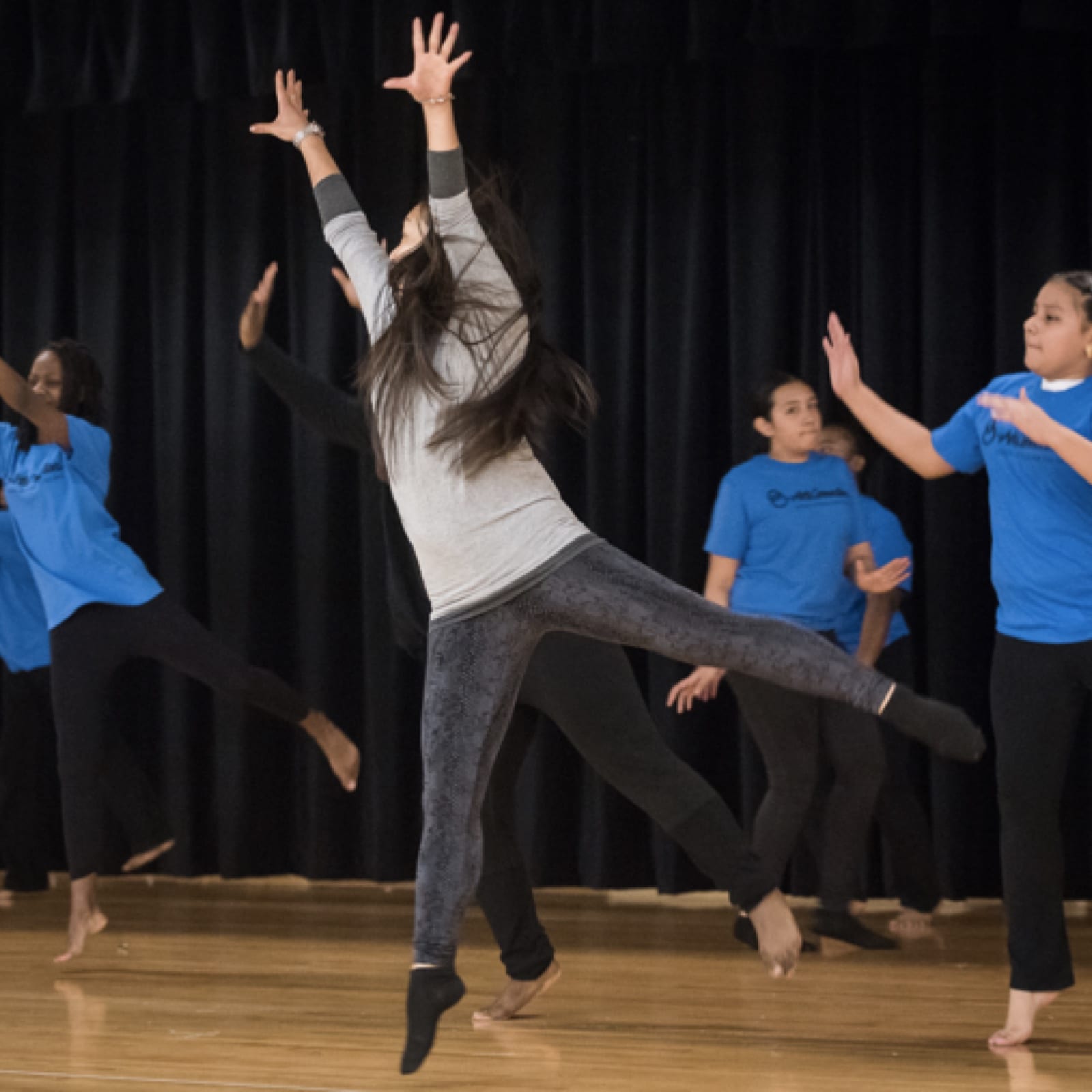
GIVE (Growing Inclusivity for Vibrant Engagement) is a free guide that supports arts educators in the creation of liberated learning environments and vibrant arts experiences within inclusion settings.
GIVE Goal
To provide a wide-array of resources that support arts educators:
- Considering how every student can be engaged and demonstrate their learning
- Ensuring classrooms are safe and supportive environments for all
- Effectively planning across students’ social-emotional, cognitive, physical, and behavioral capacities
- Differentiating arts instruction in lesson design, facilitation, and implementation
- Incorporating formative assessments that support student engagement and informed lesson design and goal setting for students
- Building relationships with classroom professionals to co-develop programmatic goals, establish co-teaching partnerships, and reflection structures
Our ethos while creating the GIVE Guide:
No group of students or educators is a monolithic group. With that in mind, consider the information, tips and strategies you find here as a starting point for iterating practice. Be responsive to who you are teaching; acknowledge and reflect on responses to the techniques you try. We hope the wide array of resources, activities and ideas organized in this guide will support you in your career as an arts educator.
We utilize person-first language in this guide, but there is no one correct way to name or describe another person’s relationship to disability. An individual’s identity preferences should be prioritized over generic terms. We encourage you to have conversations with your students to learn their preferred identifier. The Inclusive Language Guide has information on person-first versus identity-first and other inclusive language tips, all with the understanding that language changes, it is fluid and personal.
Diagnosis of disability and experience of disability is influenced by the intersections of student identities such as race, gender, and class in our society. Intersectionality of Disability, Race, Gender & Other Identities explores how bias intersects with diagnosis and lived experience as it pertains to disability.
The work of creating accessible and inclusive learning spaces is never complete. As the GIVE learning community grows and evolves, the GIVE resources will also continue to evolve and grow.
GIVE Research
In spring 2021, the GIVE team observed Teaching Artists working virtually in 2nd-7th grade ICT classrooms to quantify if and how exposure to the GIVE resources impacted teaching practice.
Preliminary GIVE research shows that Teaching Artists who participated in training to use the GIVE resources improved in creating a welcoming and inclusive classroom more substantially than a control group of Teaching Artists working in similar environments. There is also evidence that Teaching Artists who engaged with the GIVE materials taught students to use digital tools and platforms more effectively than their untrained peers.
Partners and Contributors to the GIVE Guide
The GIVE project group has deep experience and are passionate about the world of arts education in NYC and beyond. The consortium of contributors was made up of artists, educators, and arts administrators of diverse backgrounds and abilities. We also solicited feedback from experts in the field including classroom professionals, disabled artists and advocates. All of these resources are influenced by this perspective.
